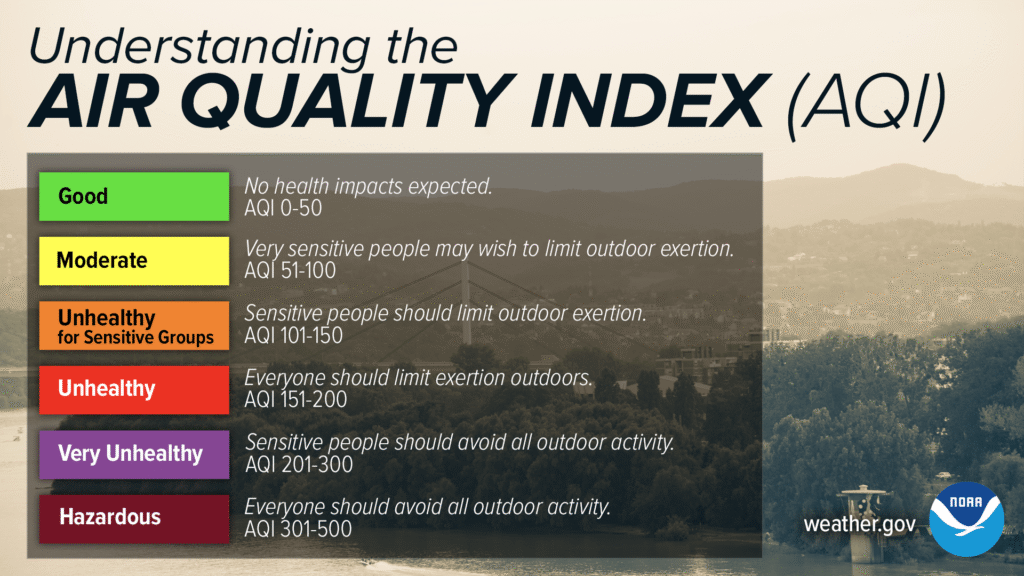
Delhi’s air quality deteriorated sharply on Thursday, with the city’s overall Air Quality Index (AQI) touching 400 and entering the ‘severe’ category, according to data from the Central Pollution Control Board (CPCB).
Multiple monitoring stations across the city registered AQI levels above 400 on Thursday, with the CPCB-developed Sameer app showing Wazirpur as the most polluted location with a reading of 477.
Delhi AQI: Forecast warns of deterioration
On Wednesday, the Ministry of Earth Sciences’ Air Quality Early Warning System had cautioned that Delhi’s air quality was likely to remain in the ‘very poor’ to ‘severe’ zone for at least the next six days.
The Decision Support System of the Indian Institute of Tropical Meteorology (IITM), Pune, estimated that vehicular emissions contributed 18 per cent to Delhi’s pollution on Wednesday, while stubble burning’s share stood at 3.8 per cent ..
IMMEDIATE MEASURES:
In response to the deteriorating air quality, the Commission for Air Quality Management (CAQM) invoked Stage IV of the Graded Response Action Plan (GRAP) on November 18, 2024. GRAP is a set of emergency measures designed to curb pollution when AQI levels cross certain thresholds. Under Stage IV:
-
- Trucks entering Delhi are banned except for essential services.
- Construction activities are halted.
- Light commercial vehicles not compliant with BS-VI standards are prohibited from entering the city.
However, while these measures provide temporary relief, they do not address the root causes of pollution. It is argued that long-term preventive strategies must complement such reactive steps.
LONG-TERM SOLUTIONS: IIT KANPUR STUDY RECOMMENDATIONS
The IIT Kanpur report (2016) provided a comprehensive roadmap to tackle air pollution in Delhi-NCR. Here are key recommendations:
-
- Industrial and Commercial Measures: Stop coal use in hotels and restaurants: Approximately 9,000 establishments in Delhi use coal for cooking, contributing significantly to PM emissions. Transitioning to cleaner fuels like LPG or electricity is essential.
- De-SOx-ing and De-NOx-ing systems: Delhi’s power plants and refineries emit large amounts of sulfur dioxide (SO₂) and nitrogen oxides (NOx). Installing systems to remove these pollutants can reduce their impact on air quality.
- Residential and Domestic Measures: LPG access for all households: Many households still rely on biomass fuels like wood or cow dung for cooking, contributing to indoor and outdoor air pollution. Expanding access to LPG can significantly reduce emissions.
- Stop municipal solid waste burning: A study found that Delhi burns around 246 tons of waste daily7. Effective waste management systems are crucial to prevent this practice.
CONSTRUCTION AND INFRASTRUCTURE MEASURES:
-
- Cover construction materials: Dust from construction sites is a major contributor to PM10 levels. Covering materials and using water sprays can reduce dust emissions by up to 50%.
- Use windbreakers during concrete batching: This can help control fly ash emissions during construction activities.
TRANSPORTATION MEASURES:
-
- Promote electric and BS-VI vehicles: Vehicles contribute up to 25% of PM2.5 levels in winter. Expanding public transport options and incentivizing the adoption of electric vehicles (EVs) can reduce vehicular emissions.
- Improve public transport: Expanding metro networks and integrating bus services can reduce dependency on private vehicles.
ENVIRONMENTAL MANAGEMENT:
-
- Limit biomass burning: Stubble burning in neighboring states like Punjab and Haryana is a significant source of pollution during winter months. Alternatives like using crop residue for energy production or biogas generation should be promoted.
- Tackle fly ash: Fly ash from coal combustion is a significant summer pollutant. Water spraying and plantation drives near power plants can mitigate its effects.
EXPECTED OUTCOMES: If these measures are effectively implemented, the IIT Kanpur report estimates that PM2.5 levels could be reduced to 72 µg/m³. In comparison, PM10 levels could drop to 120 µg/m³—still above WHO standards but significantly improved from current levels. This reduction would lead to fewer health complications such as asthma, lung cancer, and heart disease.
CHALLENGES IN IMPLEMENTATION:
-
- Coordination between multiple agencies: Effective air quality management requires collaboration between central, state, and local governments and various regulatory bodies like the Central Pollution Control Board (CPCB) and CAQM.
- Behavioral changes: Public resistance to adopting cleaner fuels or switching to public transport remains challenging.
- Economic considerations: Transitioning industries from coal or upgrading vehicle fleets requires significant investment.
WAY FORWARD:
-
- Integrated approach: All sectors—transportation, industry, agriculture—must work together under a unified policy framework.
- Role of government: Stronger enforcement of regulations like GRAP and incentives for cleaner technologies are needed.
- Public participation: Citizens must be encouraged through awareness campaigns to adopt sustainable practices such as reducing vehicle use or avoiding waste burning.
- Learning from global examples: Cities like New York and Beijing have reduced air pollution by up to 50% through targeted interventions such as banning dirty fuels for heating and promoting clean energy alternatives. Delhi could replicate similar policies tailored to its unique challenges.
UPSC PAST YEAR QUESTION:
Q. Describe the key points of the revised Global Air-Quality Guidelines (AQGs) recently released by the World Health Organisation (WHO). How are these different from its last update in 2005? What changes in India’s National Clean Air Programme are required to achieve these revised standards? 2021
MAINS PRACTICE QUESTION:
Q. “Delhi’s air pollution crisis is a result of both human-induced factors and geographical disadvantages.” Discuss.